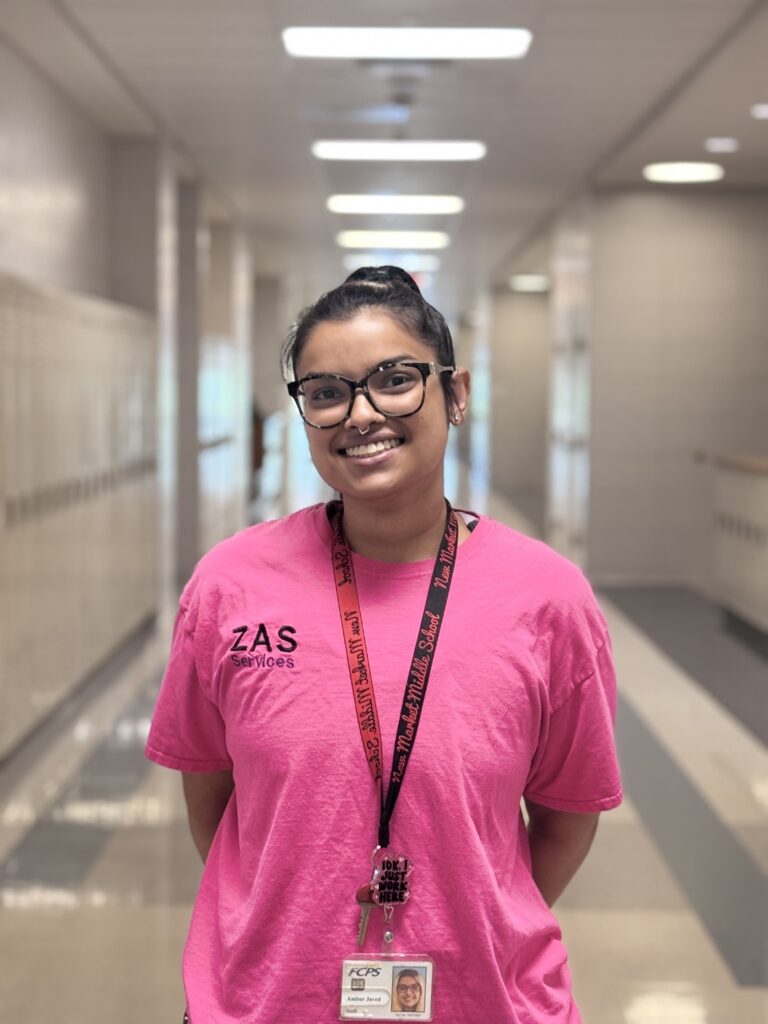
 When Ambur first connected with the Student Homelessness Initiative Partnership (SHIP) of Frederick County during her sophomore year of high school in 2017–2018, she wasn’t sure what to expect.
She remembers the introduction being simple: “You don’t live at home. Here’s your case manager.”
She soon discovered that having a case manager meant having someone consistently in her corner saying “I’m here for anything you need,” and meaning it.
At the time, Ambur was navigating housing instability while also trying to stay in school, work, and manage Type 1 diabetes. She often couch-surfed with friends because it felt more comfortable and familiar than accepting other housing options. SHIP introduced her to the Thrive Housing Network and the possibility of staying with a host family. Although she eventually came to trust the process and the people offering to help, she wasn’t ready to take that step.
SHIP respected Ambur’s decision. And remained working within other parts of the program.
Her case manager helped with needs from getting the shoes she needed for her job and enrolling in driver’s education to making sure she felt supported during the holidays. When Ambur went without health insurance for somewhere between six months and a year, SHIP helped her navigate getting coverage again.
Having a job was especially important. As someone living with Type 1 diabetes, Ambur relied on her income to help afford the insulin and over-the-counter medical supplies she needed.
Her health had already affected her education. Ambur missed significant amounts of school because she was sick, and after falling just one credit short, she faced repeating an entire year. At the time, she was not able to take advantage of SHIP’s New Horizons Summer Academy. However, knowing that was an option for her, she made it a critical opportunity to continue to promote the New Horizons Summer Academy and pass along the word of the program.
But SHIP’s support didn’t end when high school did.
Ambur kept her case manager as she transitioned to Frederick Community College. That continued relationship helped her stay focused and navigate challenges that can make pursuing higher education feel overwhelming. When it came time to complete the FAFSA, her case manager worked with her side by side to ensure she had everything she needed.
Looking back, Ambur recognizes how different her path might have been without that consistent support.
“I don’t want to think about what I would be doing if it wasn’t for SHIP. It saved me.”
Today, one of the most important things Ambur wants the community to understand is how fortunate she feels that support was there when she needed it. Her story is a reminder that helping a young person experiencing homelessness is rarely about solving just one problem. It is about being present through the many barriers that can stand between a student and their future- housing, health care, transportation, education, employment, and simply having someone they can trust.
And sometimes, knowing that someone will continue to show up can make all the difference.